Author: The Ntaifitness Expert Team
Medically Reviewed by: Lori Michiel, NASM-CPT & Senior Fitness Specialist
Equipment Analysis: Mike Sang, Founder of Ntaifitness® (20+ Years Industry Veteran)
Last Updated: December 2025
Quick Takeaways
- Asian Pilates blends classical Pilates with Eastern mind-body principles, focusing on lean muscle tone, posture, and controlled movement.
- Compared to Western Pilates, it emphasizes aesthetics, breath control, and low-impact precision rather than muscle bulk.
- Equipment like the Pilates Reformer plays a central role, especially in Korean and Japanese studios.
- Ideal for people seeking slimmer lines, better posture, and stress reduction without high-impact workouts.
Introduction: Why Is Asian Pilates Everywhere Right Now?
If you’ve spent any time on TikTok or Instagram lately, you’ve probably noticed it: minimalist studios, soft lighting, elegant movements, and impossibly long, sculpted lines. Labeled as Asian Pilates or K-Pilates, this style of training looks calmer, more refined, and somehow… different.
But here’s the real question many fitness enthusiasts are asking:
Is Asian Pilates genuinely effective for building a lean, elegant physique—or is it just another aesthetic trend wrapped in clever marketing?
In this guide, we’ll break down exactly what Asian Pilates is, how it differs from traditional Western Pilates, and why it has become the preferred training method in many Korean, Japanese, and Southeast Asian studios. You’ll also learn which equipment is essential and how to recreate this experience at home.
This guide is not based on theory alone. It was developed after observing real discussions among Pilates practitioners, studio owners, and home users in our community — including an ongoing conversation about Asian Pilates and Eastern-inspired training trends.
Let’s start with the most fundamental question.
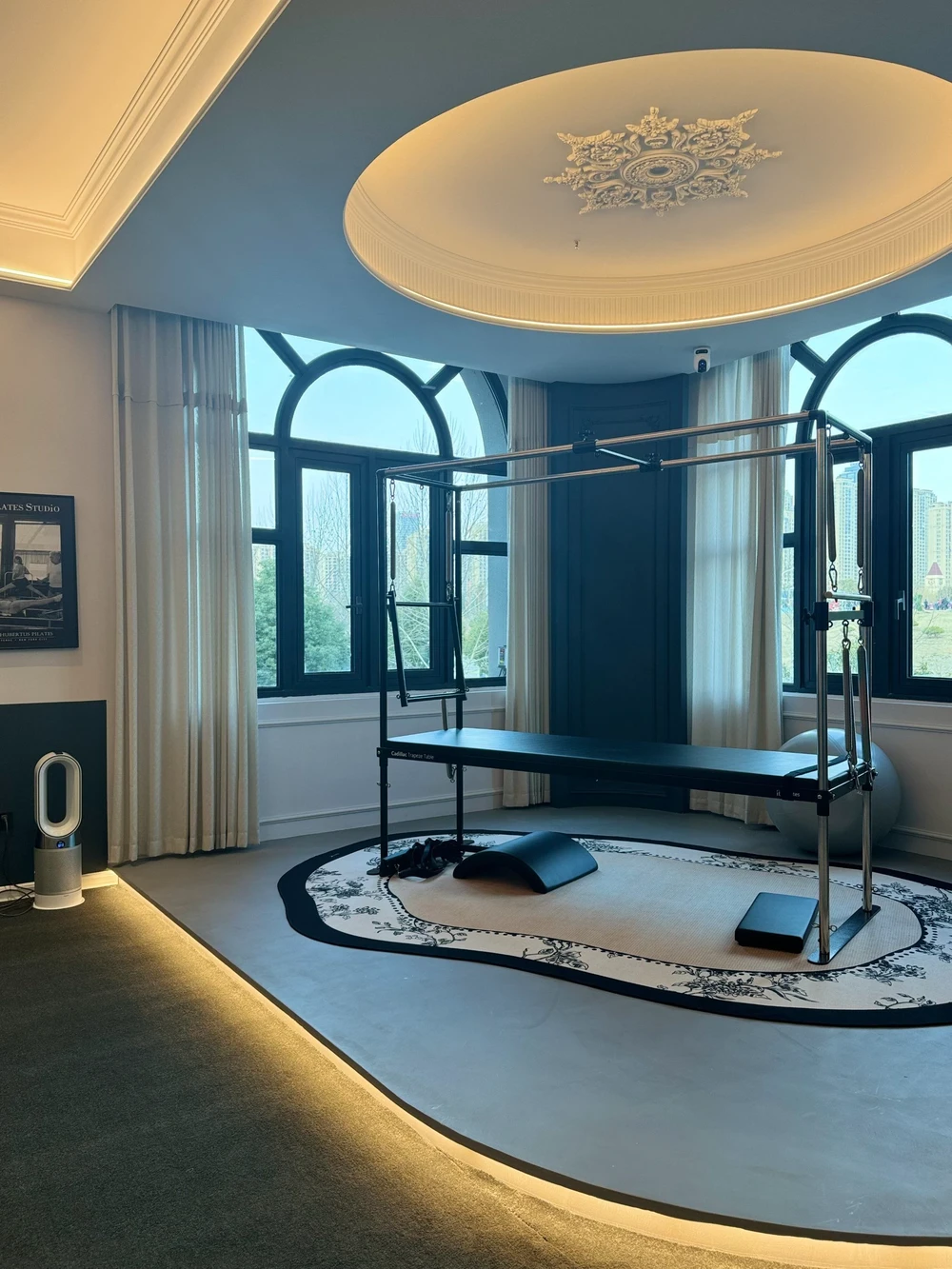
What Is Asian Pilates? The Definition
Asian Pilates is a refined approach to classical Pilates that integrates Eastern mind-body philosophies, emphasizing controlled flow, postural alignment, breath awareness, and the creation of lean, elongated muscle lines rather than muscle bulk.
Rooted in Joseph Pilates’ original principles, Asian Pilates incorporates elements inspired by somatic movement, yoga, and Tai Chi-like fluidity. The focus is not just on strength, but on how strength is expressed—through precision, calmness, and visual harmony.
At its core, Asian Pilates prioritizes:
- Mind-body connection
- Precision over intensity
- Aesthetic balance alongside functional strength
Asian Pilates vs. Western Pilates: Key Differences
One of the biggest sources of confusion comes from assuming Pilates is Pilates—no matter where it’s practiced. In reality, Asian and Western Pilates differ significantly in philosophy, execution, and visual goals.
Western vs. Asian Pilates Comparison Table
| Aspect | Asian Pilates | Western Pilates |
|---|---|---|
| Primary Focus | Lean lines & posture | Muscle strength & performance |
| Muscle Outcome | Slim, elongated muscles | Visible muscle definition |
| Pace | Slow, controlled flow | Dynamic & athletic |
| Philosophy | Holistic, mind-body | Physical conditioning |
| Breathing | Deep, rhythmic, calming | Functional, performance-driven |
| Equipment Use | Heavy reliance on machines | Mix of mat & equipment |
The Aesthetic Goal: The “S-Line” Focus
In many Asian studios, especially in Korea and Japan, instructors openly discuss body lines rather than muscle size. The goal is often described as the “S-line”—a smooth, continuous silhouette from shoulders to hips.
This aesthetic emphasis leads to:
- Longer time under tension with lighter resistance
- Controlled eccentric movements
- High attention to postural alignment and spinal positioning
Instead of asking, “How strong can this muscle get?” Asian Pilates asks, “How refined can this movement become?”
The Mindfulness Aspect
Asian Pilates places unusual importance on breathing techniques and internal awareness. Each movement is synchronized with breath to:
- Improve core stability
- Reduce unnecessary muscular tension
- Activate the parasympathetic nervous system (the “rest-and-digest” state)
This is why many practitioners describe Asian Pilates sessions as both physically sculpting and mentally calming.
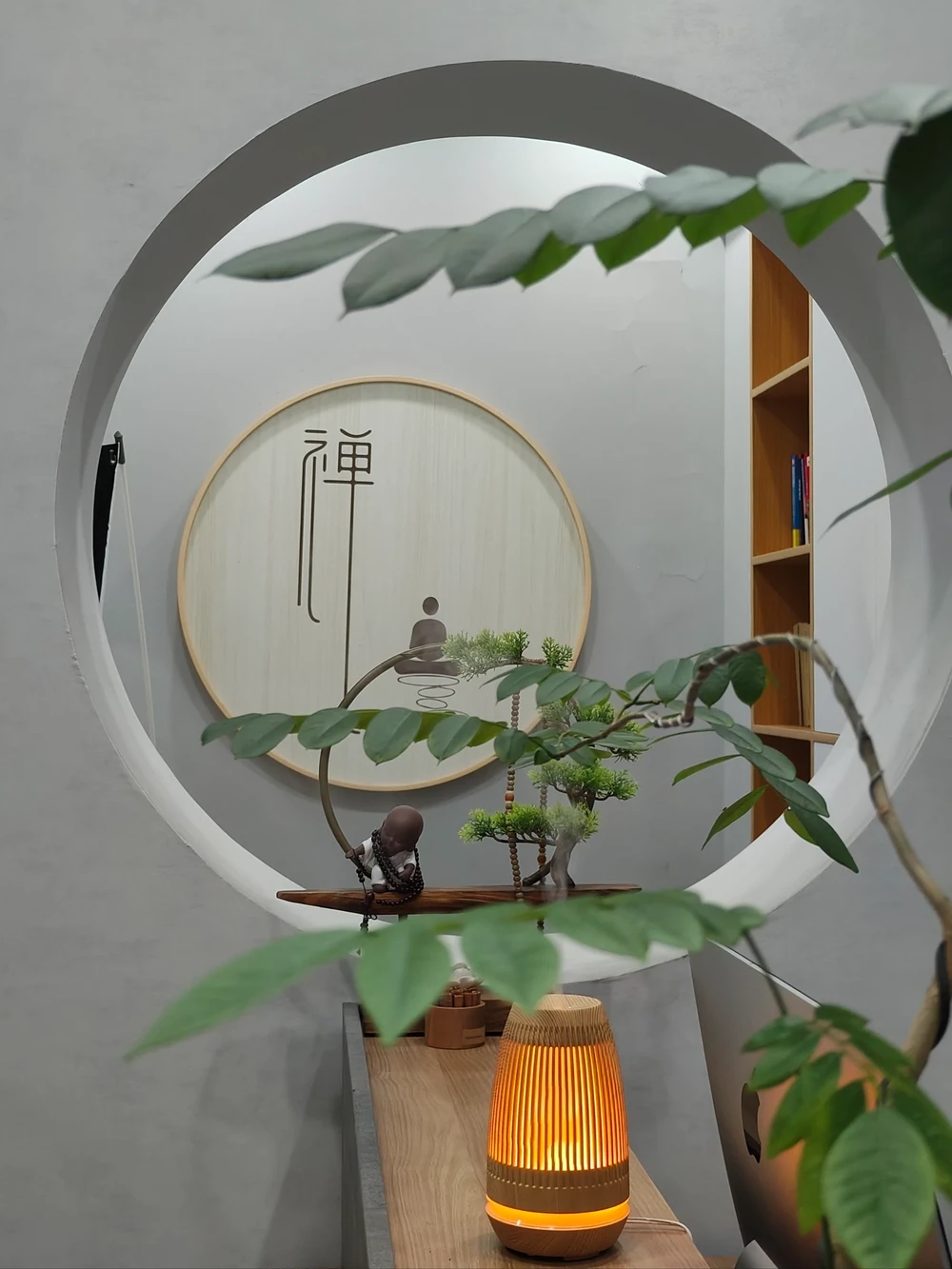
The Science Behind the “Eastern Vibes”
“Eastern vibes” may sound vague, but there is real physiological science behind it.
Nervous System Regulation
Slower tempos and controlled breathing stimulate the parasympathetic nervous system, helping reduce cortisol levels. Research published in the Journal of Bodywork and Movement Therapies has shown that consistent Pilates practice can significantly decrease salivary cortisol concentrations, directly supporting stress recovery Source: NCBI Study on Pilates & Cortisol.
This supports:
- Better recovery
- Lower stress-related fat retention
- Improved sleep quality
Fascia & Spinal Health
Asian Pilates often emphasizes spinal flexibility and fascial hydration. According to studies on fascial plasticity, slow, dynamic stretching—a hallmark of the Asian Pilates aesthetic—is more effective at rehydrating connective tissue than static stretching Source: Fascial Fitness Research.
Joint integrity
- Body awareness (proprioception)
- Long-term mobility
- Lean Muscle Adaptation
By using low-impact resistance and extended control phases, muscles adapt by becoming more endurance-oriented and visually elongated rather than hypertrophic (bulky). This directly addresses the common fear of “getting too muscular.”
In fact, many of these ideas were first surfaced through user conversations about home workouts, studio culture in Japan and Thailand, and 30-day Pilates challenges shared within our community.
The "K-Pilates" Starter Routine: 3 Moves to Try
Don't have a Reformer yet? Try these mat adaptations to feel the difference.
1. The Mermaid Stretch (Focus: S-Line Side Waist)
- How: Sit with legs folded to one side. Inhale, lift one arm, and side-bend deeply while keeping your hips grounded.
- The Asian Pilates Twist: Hold the stretch for 4 seconds longer than usual, visualizing your ribs expanding like an accordion.
2. The Hundred - "Soft" Version (Focus: Deep Core)
- How: Lie on your back, legs in tabletop. Pump arms rhythmically while breathing.
- The Difference: Instead of aggressive pumping, focus on keeping your stomach completely flat (scooped) to avoid "doming."
3. The Reformer Lunge (Focus: Lean Legs)
- Why it works: This creates the long, lean thigh muscle sought after in Asian aesthetics. Ntaifitness
- Tip: On a [Ntaifitness Reformer], this move uses spring tension to lengthen the muscle eccentrically. At home, you can simulate this by doing slow lunges with your back foot on a towel, sliding it away slowly.
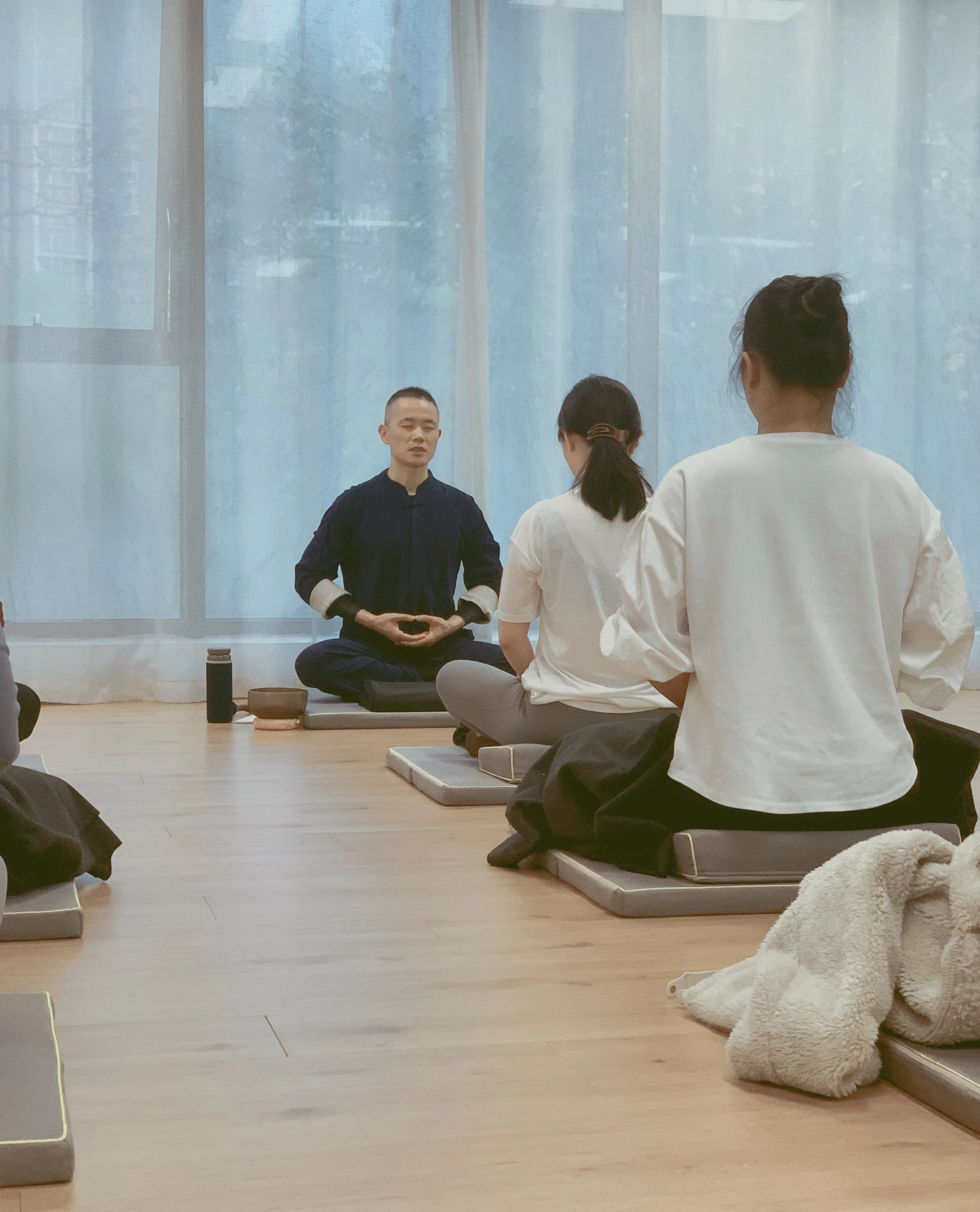
Essential Equipment for Asian Pilates
Unlike many Western mat-based Pilates classes, Asian Pilates is deeply equipment-centric.
In fact, many Korean and Japanese studios rarely offer mat-only sessions at all.
Why the Reformer Is King in K-Pilates
The Pilates Reformer allows for:
- Micro-adjustable resistance
- Perfect alignment feedback
- Smooth, uninterrupted movement patterns
This makes it ideal for the precision-first philosophy of Asian Pilates. Springs replace gravity-based load, reducing joint stress while maintaining muscular engagement.
Studios favor Reformers because they help:
- Maintain consistent tension throughout the movement
- Guide beginners safely into correct form
- Sculpt lean muscle mass with low injury risk
This is also why many practitioners transitioning to home workouts invest in professional-grade equipment. A well-built Pilates Reformer with stable carriage tracking and accurate spring resistance is essential for replicating the studio experience.
Internal Link Opportunity: Pilates Reformer
Cadillac & Studio Equipment
Advanced Asian Pilates programs also rely on the Cadillac machine for:
- Spinal decompression
- Assisted stretching
- Postural correction drills
This reflects the broader Asian fitness trend toward structured, equipment-guided home workouts, a movement that gained traction in Thailand and Japan during the rise of 30-day home fitness challenges.

5 Key Benefits of Adopting an Eastern Pilates Approach
- Improved Postural Alignment
Constant emphasis on spinal position retrains daily posture patterns. - Lean Muscle Development
Ideal for those seeking slimming vs. bulking outcomes. - Enhanced Core Stability
Deep stabilizers are prioritized over surface muscles. - Stress Reduction
Breath-led movement supports nervous system balance. - Greater Body Awareness
Improved proprioception translates into better movement quality in daily life.
Final Thoughts: More Than a Workout, a Lifestyle Shift
Asian Pilates is not just a trend—it reflects a broader cultural shift toward intentional movement, aesthetic harmony, and sustainable fitness. By blending classical Pilates with Eastern philosophy, it offers a compelling alternative for those seeking long-term body refinement without high-impact strain.
If you’re ready to bring the precision of a professional studio into your own space, the right equipment makes all the difference.
Ready to transform your home workout with the precision of a professional studio?
Explore our premium collection of Pilates Reformers at NtaiFitness and begin your journey toward a balanced body and mind today.
Frequently Asked Questions (FAQ)
Can Asian Pilates help with weight loss?
Yes—but indirectly. Asian Pilates supports fat loss by improving posture, increasing muscle efficiency, and reducing stress-related hormonal imbalance. It works best when combined with consistent practice and mindful nutrition.
Do I need flexible joints to start?
No. Flexibility improves through the practice. Equipment-based Pilates actually makes it safer for beginners by supporting joints and guiding range of motion.
What is the difference between yoga and Asian Pilates?
While both emphasize mindfulness, Asian Pilates is more structured and equipment-driven, focusing on controlled resistance and precise movement rather than static poses.