🇯🇵 Japan Gym Survival Card (Quick Look)
Strictly no street shoes. Change in the lobby.
Must be fully covered (tape/sleeves) or risk eviction.
(~$13 - $23 USD)
Must be active for 31+ days in home country.
"I signed up for a 3-month membership and only went twice because of the hidden fees!" This is a common horror story for foreigners living in Japan.
Planning to maintain your gains while enjoying ramen in Tokyo? Be careful. Japan has some of the most unique—and strict—gym etiquette in the world. According to 2025 industry data, the average monthly gym fee in Tokyo has risen to ¥8,500 (~$57 USD), and nearly 30% of foreigners accidentally violate a rule on their first visit.
But here is the truth: Japan is also home to incredible fitness facilities, from high-tech commercial gyms to hidden municipal centers that cost less than a cup of coffee. As a global manufacturer of commercial fitness equipment, NtaiFitness has analyzed the market to bring you this definitive guide. Whether you are a tourist looking for a global gym chain comparison or a gym owner looking for inspiration from the Japanese model, this guide covers it all.
Why Are Japanese Gyms So Different? (The Culture Shock)
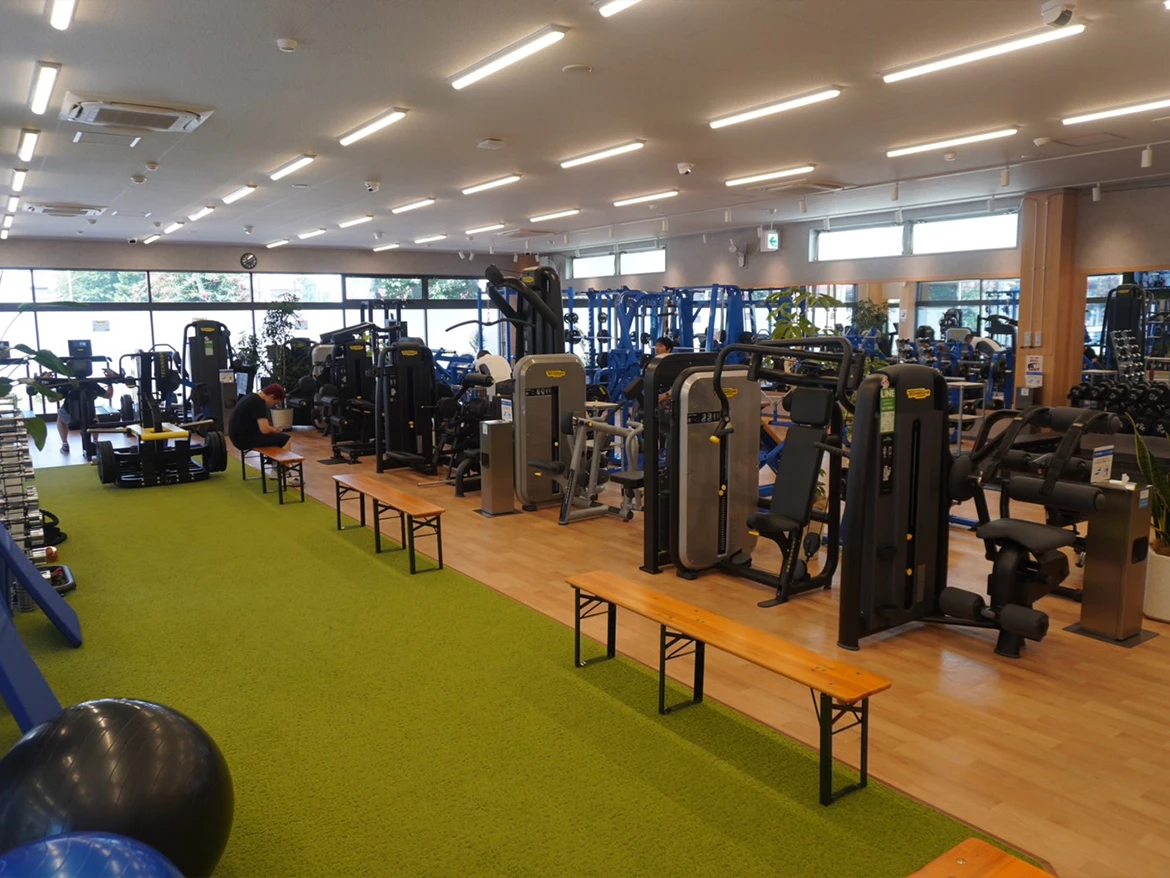
KAWAGUCHI POWER GYM (埼玉県川口市朝日3-19-6)
If you walk into a gym in Shibuya, Osaka, or Kyoto, the atmosphere is noticeably different from gyms in the US or Europe. It stems from the Japanese concept of "Meiwaku" (not causing trouble for others).
1. The "Shoes" Rule: Why It Exists & Where to Buy
This is the #1 reason tourists get turned away. In Japan, you cannot wear the shoes you wore on the street into the workout area—even if they look clean.
- The Reason: Hygiene and respect for the facility. Japanese floors are kept pristine.
- The Solution: You must carry a separate pair of clean "indoor shoes" in your bag.
- Where to buy? If you forgot yours, head to a Don Quijote (Donki) or ABC Mart. You can pick up a cheap pair of basic sneakers for ¥1,500 (~$10 USD).
2. The "No Tattoo" Policy
Approximately 75% of Japanese gyms strictly prohibit tattoos due to historical associations with the Yakuza (organized crime). This rule applies even to small fashion tattoos or butterflies.
Can I still train? Yes, but you must cover them completely. Use long sleeves, leggings, or skin-colored sports tape. If a staff member sees your tattoo, they may ask you to leave immediately without a refund.
💡 Pro Tip: If you have small tattoos, head to a local drugstore like Matsumoto Kiyoshi or Daiso and ask for "Hada-kakushi" (Foundation Tape). These are waterproof, skin-colored stickers designed specifically to hide tattoos and are much more comfortable than wearing long sleeves in a humid gym.
3. The Sound of Silence
Dropping weights, grunting loudly, or taking phone calls on the gym floor is considered extremely rude. Most gyms prohibit photography to protect others' privacy. Selfie culture exists, but it's much more discreet than in the West.
🚨ID Requirement: You MUST bring your physical Passport. Most Japanese gyms are legally required to photocopy your ID for one-time visits. A driver’s license or a photo on your phone will often be rejected.
Top Gym Chains Compared: Where Should You Train?
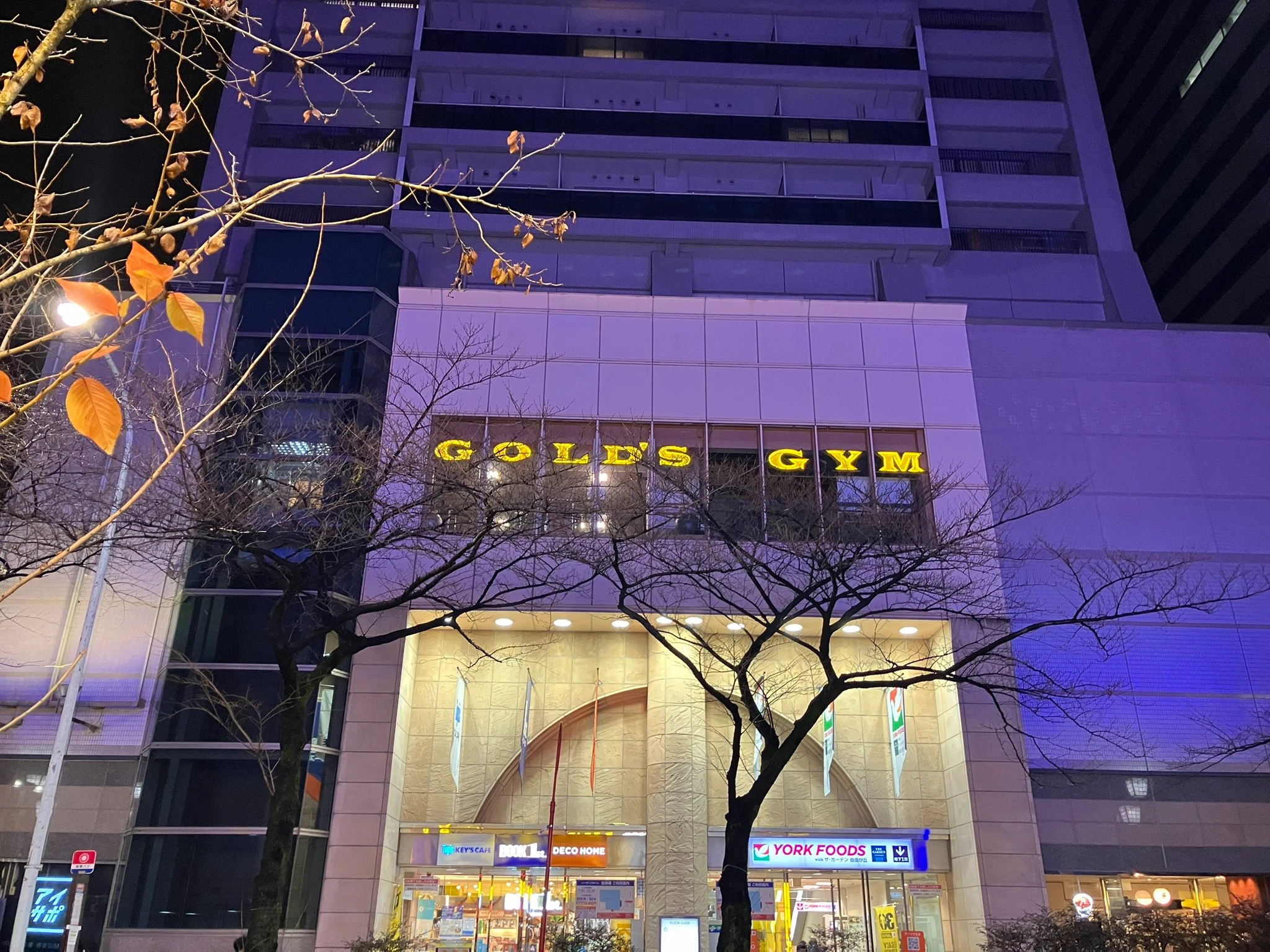
We've analyzed the top brands based on equipment quality, foreigner-friendliness, and pricing.
1. Anytime Fitness: The Global Traveler's Choice
With over 1,100 locations across Japan, Anytime Fitness is the dominant player. For travelers who already have a membership in the US, UK, Australia, or Canada, this is often the easiest option.
- Reciprocity Rule: Your key fob works in Japan, BUT your membership must have been active for at least 31 days in your home country. If you signed up last week, it won't work.
- First-Entry Tip: While your global key works, try to visit during Staffed Hours (usually 10:00 – 19:00) for your first workout in Japan. Some local systems require a one-time manual activation or data sync for international fobs before the 24/7 reader will recognize you.
- Equipment: Standardized quality. You will find Life Fitness or Precor cardio and strength machines.
- Visitor Policy: If you don't have a membership, it is very hard to enter. Most are unstaffed at night and do not sell day passes to non-members.
Related Guide: Planet Fitness vs Anytime Fitness: Which is better globally?
2. Gold’s Gym: The Iron Sanctuary
If you take training seriously, Gold's Gym Japan is a bucket-list destination. Unlike the franchise in some other countries, Gold's Gym Japan is known for maintaining an incredibly high standard of equipment.
- The Gear: Expect rows of Hammer Strength plate-loaded machines, heavy dumbbells (up to 70kg+), and dedicated powerlifting stations. It is a bodybuilder's paradise.
- Day Passes: Visitor friendly! You can walk in, show your passport, and pay about ¥2,500 - ¥3,500 (~$17 - $23 USD) to train.
- Best Locations: The Harajuku (Tokyo) branch is iconic for its view and equipment. The Umeda (Osaka) branch is massive.
3. Konami Sports Club: The Family Resort
Konami isn't just a video game company; they run one of Japan's largest gym chains. These are large "Sports Plex" style facilities.
- Best For: Families and those who want a swimming pool, sauna, and hot bath (Onsen) after a workout.
- Day Passes: Available but slightly complex pricing (categorized by facility tiers I, II, III, IV).
- Family Tip: If you are traveling with kids, check out our guide on Kid-Friendly Gyms, as Konami is one of the few places in Japan offering children's swimming and gymnastics classes.
4. Chocozap: The Disruptor
You might see yellow signs for "Chocozap" everywhere. Created by RIZAP, this is a "Convenience Gym" model that has taken Japan by storm in 2024-2025.
- The Concept: ¥2,980 (~$20 USD) per month. No shoes required (street shoes okay!).
- The Gimmick: Membership includes self-service hair removal, teeth whitening, and massage chairs.
- The Catch for Tourists: You generally need a Japanese credit card and a smartphone app to sign up. It is not tourist-friendly, but it is a fascinating case study for gym owners on how to maximize small spaces with compact equipment.
Hidden Gems: Public Gyms (Municipal Sports Centers)
Want to save money? Every ward (district) in Tokyo and Osaka has a "Municipal Sports Center" (Taiikukan). These are funded by taxes and open to the public.
- Tokyo Metropolitan Gymnasium (Sendagaya): Olympic-level facilities. Large pool, massive weight room. Cost: ~¥600 (~$4 USD) for 2.5 hours.
- Minato-ku Sports Center: incredibly modern, clean, and spacious. Cost: ~¥500-¥800 (~$3.50 - $5.50 USD) for non-residents.
💳 Payment Note: Many municipal centers (Taiikukan) do not accept international credit cards at their ticket machines. Ensure you have Cash or a topped-up IC Card (like Suica or Pasmo) on your phone to pay the entry fee.
Note: These places are strict. No music without headphones, strict shoe policy, and tattoos must be 100% covered. But the value is unbeatable.
Pro Tip: Don't lug heavy protein powder in your suitcase. Visit any FamilyMart or Lawson for SAVAS Protein Drinks (ready to drink) or head to Bic Camera/Yodobashi Camera – they surprisingly have massive fitness supplement sections with tax-free options for tourists.
2026 Comparison Table: Pricing & Features
| Gym Brand | Type | Avg. Monthly (¥/USD) | Day Pass (Visitor) | Best For... |
|---|---|---|---|---|
| Anytime Fitness | 24/7 Global | ¥6,500 - ¥9,000 (~$45 - $60 USD) | Difficult/Rare | Key Fob Holders |
| Gold's Gym | Hardcore Bodybuilding | ¥10,000 - ¥15,000 (~$65 - $100 USD) | YES (~¥3,000 / $20) | Serious Lifters |
| Joyfit 24 | Commercial 24h | ¥7,000 - ¥8,000 (~$45 - $55 USD) | ~¥2,000 ($13) | General Fitness |
| Public Gyms | Municipal | N/A | YES (¥400 - ¥600) (~$3 - $4 USD) | Budget Travelers |
| F45 / CrossFit | Group Training | ¥20,000+ (~$135+ USD) | ~¥4,000 ($27) | Community/English |
| Chocozap | Micro-Gym | ¥2,980 (~$20 USD) | No | Long-term Residents |
💡 Insight for Gym Owners & Entrepreneurs
Japan is a masterclass in space efficiency. Gyms in Tokyo often fit full commercial capabilities into spaces as small as 100-200 square meters. How do they do it?
- Multi-functional Equipment: They prioritize multi-station gyms and compact cable machines over bulky single-station units.
- Vertical Storage: Smart dumbbell racks and vertical plate trees are essential.
- Premium Feel: Even small gyms use high-end brands to justify membership fees.
Are you looking to build a high-efficiency gym inspired by the Japanese model? NtaiFitness supplies commercial-grade equipment designed for durability and space optimization.
Explore Our Commercial Catalog »FAQs: Common Questions for Foreigners
Can I really NOT enter with tattoos? What if I'm a foreigner?
Generally, no exceptions are made for foreigners. If your tattoo is visible, staff will politely but firmly ask you to leave. However, the rule is usually "No visible tattoos." If you cover it completely with a rash guard (long sleeves/pants) or skin-colored sports tape before entering the locker room, most gyms (especially Anytime Fitness and Gold's) will turn a blind eye. Do not change in the open area if your tattoos will be exposed during the process.
I don't have indoor shoes. What should I do?
Do not try to sneak in with street shoes; Japanese staff check this religiously. The easiest solution is to go to a "Don Quijote" (Donki), a discount store found everywhere in Japan, and buy a cheap pair of sneakers for ¥1,500 (~$10 USD). Alternatively, ABC Mart sells budget shoes. If you are desperate, some public gyms rent shoes for ¥300 (~$2 USD), but commercial gyms usually require you to buy them.
Does Anytime Fitness global access work in Japan?
Yes, global reciprocity works, BUT your key must have been active for at least 31 days. If you signed up just before your trip, it won't work. Also, Japanese doors often have different sensors; hold your key fob steady for 3-5 seconds. If it fails, ring the doorbell during staffed hours (usually 10 AM - 7 PM).
Are there any "English-speaking" gyms?
Staff at typical Japanese gyms (Anytime, Joyfit) often speak limited English. However, gyms in expat-heavy areas like Minato-ku (Roppongi, Hiroo, Azabu-Juban) usually have English-speaking staff. Club 360 and F45 Training are fully English-friendly environments, though more expensive.