If you’ve spent any time around CrossFit athletes, you know the culture runs on two fuels:
coffee… and suffering.
And nothing captures that spirit quite like the CSB Workout — a brutal, minimalist, no-excuses AMRAP that shows up every holiday season, especially right after Thanksgiving. For years, this workout lived quietly inside hardcore boxes. But then something shifted: people started posting their CSB attempts on Instagram, TikTok, and YouTube. The workout went viral. And every year now, right after Thanksgiving, searches for “csb workout,” “csb crossfit,” and “what is csb workout” jump more than 100%.
It’s not a beginner workout. It’s not pretty. It’s not even particularly “balanced.”
But it’s iconic.
And if you’ve ever wondered why people willingly choose to do strict pull-ups and burpees after eating half a turkey… well, this is the guide for you.
Let’s break it down clearly, cleanly, and without the macho nonsense.
What Exactly Is the CSB Workout? (And Why the Name Has a Story)
On paper, it looks extremely simple:
20-minute AMRAP
- 5 strict pull-ups
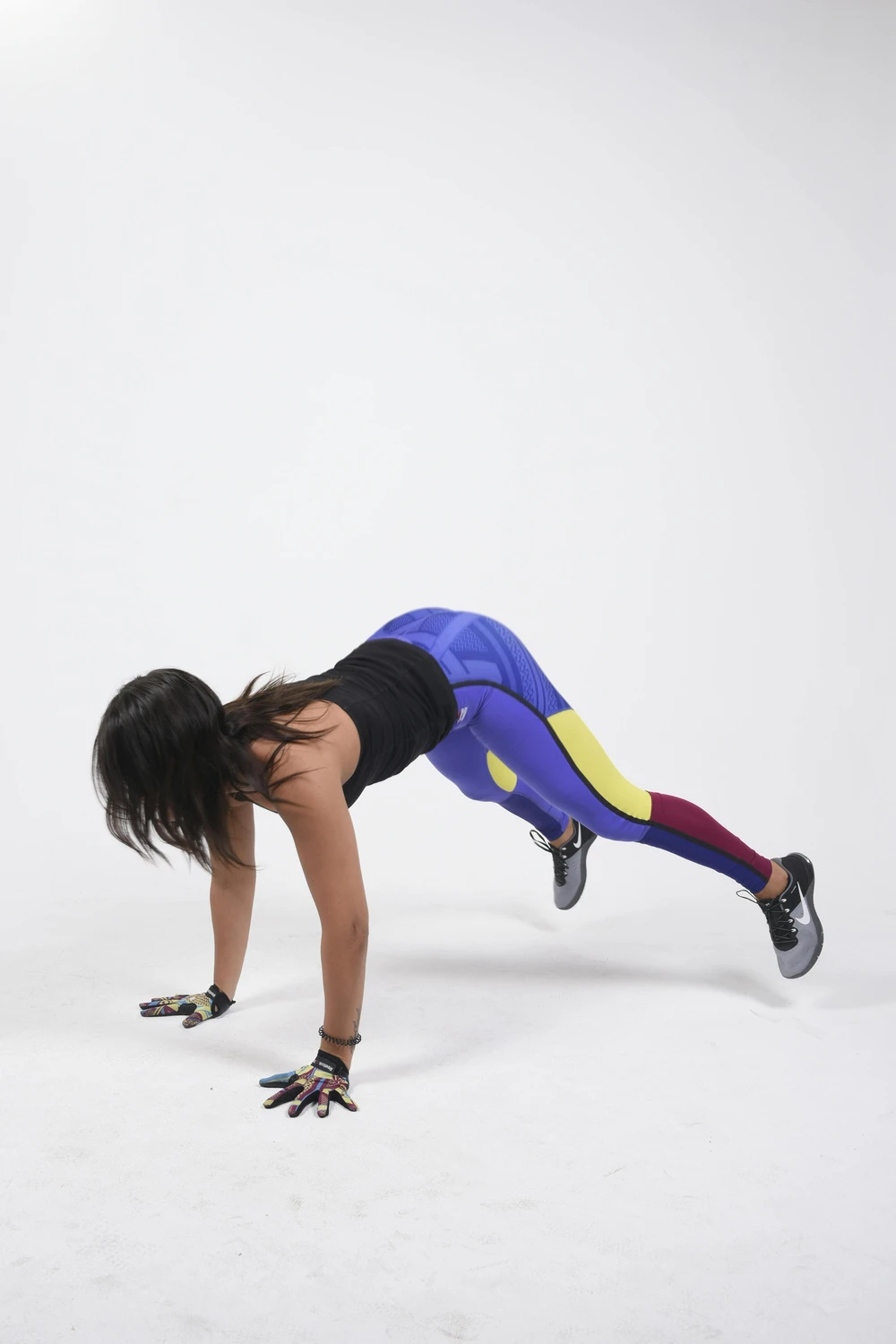
- 10 burpees
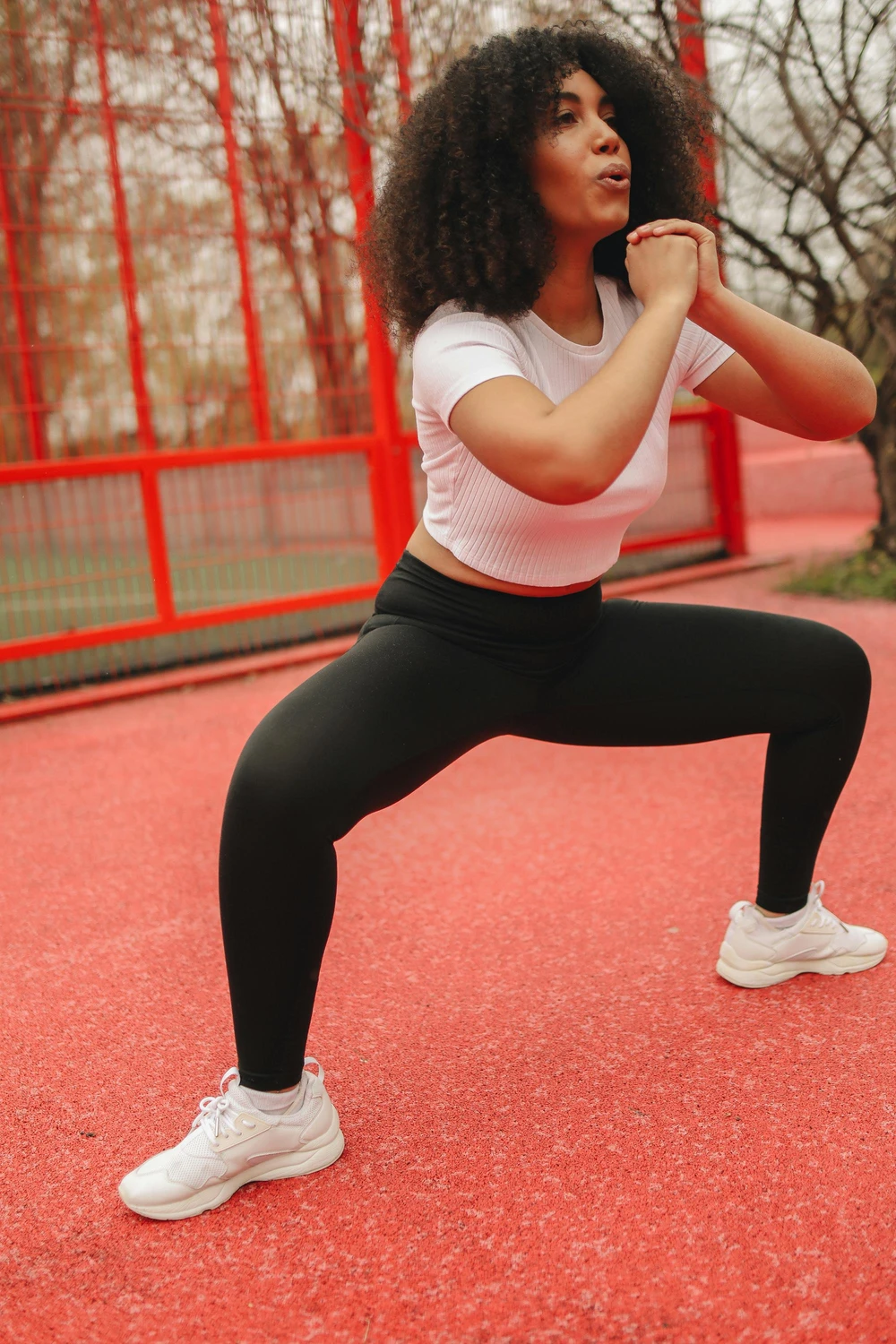
- 15 air squats
That's it.
No barbell.
No machines.
No complicated movement patterns.
Just the most primal, unforgiving combination of upper-body pulling, full-body conditioning, and leg volume.
But behind that simplicity is the reason so many people search “CSB workout explained” or “csb workout time to beat.”

The Real Story Behind CSB
The most common belief is that CSB originated in a CrossFit gym connected to Chris Spealler, a legendary OG athlete. Some athletes say the name refers to him. Others repeat the alternative (and not very polite) nickname the workout earned because people said it was “so brutal you’d curse your coach.”
The truth?
No one knows for sure — and that mystery is part of the culture.
What matters is this:
CSB became a quiet benchmark that serious athletes used to test 3 things:
- pulling strength (strict, not kipping)
- midline endurance
- mental grit under simple, repetitive movements
And unlike flashy Hero WODs, CSB doesn’t rely on heavy weights or technical skills.
It just pins you down with the basics and waits to see if you break.
Why CSB Spikes in Popularity After Thanksgiving
This is the part that makes the trend funny.
Every year, right after Thanksgiving, searches for:
- “csb workout”
- “csb crossfit”
- “thanksgiving csb workout”
jump more than 100%.
Why?
1. It’s the Perfect “Redemption” Workout
Thanksgiving is heavy.
CSB is the opposite.
It’s fast, raw, bodyweight-driven, and feels like a system reboot.
You don’t need a barbell.
You don’t need to be in your best shape.
You just need 20 minutes and the willingness to get uncomfortable.
2. It’s a Shared Community Ritual
Many CrossFit boxes program the CSB Workout as their official Black Friday or post-feast WOD. It’s almost a running joke:
“Show up if you want to sweat out the pie.”
And people love rituals — especially when everyone is suffering together.
3. It’s the Minimalist Athlete’s Dream
Strict pull-ups.
Burpees.
Air squats.
If you love pure bodyweight conditioning, this is your playground.
CSB Workout Standards (Clear, Simple, No Ego)
Because this workout spreads mostly through word of mouth, a lot of people Google:
- “CSB workout standards”
- “CSB pull-up standards”
- “CSB burpee standard”
- “how to do csb workout at home”
So here are the clean, consistent standards used by most boxes.
Strict Pull-Ups
- Dead hang at the bottom
- Chin clearly over the bar
- No kipping, no hip drive
- Neutral or slightly supinated grip
- Ensure full lockout on each rep
Burpees
- Chest touches the ground
- Jump or step back is allowed
- Small jump at the top
- Hands overhead
- No bar-facing rules here — just clean reps
Air Squats
- Hips below parallel
- Knees track naturally
- Stand up fully
- Keep chest up, avoid collapsing forward
CSB is purely about honesty with reps. The workout gives nothing to hide behind.
How Hard Is the CSB Workout, Really?
Let’s be completely transparent.
It is:
- harder than it looks
- more mentally demanding than physically complex
- deceptively punishing in rounds 10–14
But it’s also:
- scalable
- beginner-modifiable
- equipment-light
- doable at home or a garage gym
If Cindy is your friendly neighborhood workout, CSB is her older, angrier sibling.
Here’s a quick comparison to help:
| Workout | Movements | Difficulty | Why It Feels Hard |
|---|---|---|---|
| Cindy | Pull-ups (kipping), push-ups, squats | Medium | Upper-body fatigue builds slowly |
| CSB | Strict pull-ups, burpees, squats | Hard | Burpees + strict pulling = no rest |
| Murph | Pull-ups, push-ups, squats, run | Very Hard | Long duration + volume + running |
If you’re doing CSB vs Cindy, CSB wins for short-term brutality every time.
How to Scale the CSB Workout (Beginner to Advanced)
Not everyone can hit strict pull-ups consistently — and that’s okay.
CSB can be scaled intelligently without losing its soul.
Beginner Scaling
- 5 banded pull-ups
- 8 burpees (step-back)
- 12 squats
- 20-minute AMRAP at 60–70% effort
Intermediate Scaling
- 3–4 strict pull-ups
- 10 fast burpees
- 15 squats
Advanced Athletes
Try these variants:
- strict chest-to-bar pull-ups
- bar-facing burpees
- 25-minute AMRAP
- weighted vest (if you want actual suffering)
How to Do the CSB Workout at Home (Or in a Small Garage Gym)
Here’s the part most people forget:
CSB works beautifully in a home gym. It’s compact, movement-light, and needs almost no equipment.
But there’s one problem you do need to solve:
Where do you do strict pull-ups?
If you’re in a CrossFit box, the answer is simple.
If you’re at home: it’s complicated… unless you set it up right.
Option 1 — Wall-Mounted Pull-Up Bar (Most Stable)
A wall-mounted pull-up bar is the go-to for anyone who wants long-term training consistency.
It gives you:
- zero wobble
- enough space for strict reps
- perfect positioning for negative pulls and C2B progressions
This setup is ideal if CSB becomes one of your regular benchmarks. A lot of athletes running garage programs choose this route because strict work demands stability.
Option 2 — A Foldable Squat Rack With a Built-In Pull-Up Bar
This is the “smart-garage-athlete” solution.
A foldable rack gives you:
- a stable bar for strict pull-ups
- a rack for squats
- almost no space usage
If you train in a single-car garage or a basement corner, this is the closest thing to having a micro CrossFit box at home. It also lets you slot CSB between squat sessions without rearranging equipment.
Option 3 — Doorway Bar + Resistance Bands (Beginner-Friendly)
This works surprisingly well for:
- banded strict pull-ups
- controlled negatives
- time-under-tension drills
As long as the bar is rated for real load (and isn’t the cheap “twist to tighten” kind), you can run a full CSB session safely.
Option 4 — No Pull-Up Bar? Try This Variation.
If you absolutely cannot install or mount anything, here’s a solid substitute:
20-minute AMRAP
- 10 bent-over rows (dumbbells or kettlebells)
- 10 burpees
- 20 air squats
Is it the same?
Not exactly. Strict pull-ups are irreplaceable.
But this version hits similar patterns for days when equipment just isn’t available.
Strategy Tips for Crushing the CSB Workout Without Dying
CSB looks like a cardio workout, but it’s actually a fight against early muscle fatigue.
Here’s how to pace it:
1. Break the Pull-Ups Early
5 strict reps can feel fine… until minute 12.
Do 3 + 2 from the start to avoid burnout.
2. Keep Burpees at a “Forever Pace”
Your job is not to sprint them.
Your job is to never stop moving.
Try a steady rhythm:
- Drop
- Step back
- Press up
- Hop in
- Mini jump
Smooth > explosive.
3. Squats Are Your Recovery, Not Your Sprint
If you push too hard on squats, burpees collapse.
If you relax too much, your rounds drop.
Think “controlled autopilot.”
4. Use Round Counting as Fuel
This sounds silly, but it works:
Aim for a number you can hold (ex: 1 round per minute).
Once you fall behind, don’t chase.
Just stabilize and finish clean.
CSB vs Cindy vs Murph — Which Is “The Hardest”?
People love to debate this online, and the truth is each workout challenges something different.
Cindy
- Best for volume
- Best for steady-state conditioning
- Very beginner-friendly
CSB Workout
- Best for strict pulling strength
- Best for short-term suffering
- Best post-holiday “reset”
Murph
- Best for endurance
- Best for bodyweight stamina
- Best for testing pure grit
If you’re looking for a 20-minute benchmark workout that checks strength + conditioning without equipment, CSB wins almost every time.
Who Should Actually Do the CSB Workout?
I’ll be honest: CSB is not for everyone.
You should try CSB if you:
- enjoy strict pull-up strength work
- like short, intense sessions
- want a minimal-equipment benchmark
- prefer AMRAPs over long Hero WODs
You should not try CSB if you:
- have shoulder issues
- cannot perform strict pull-ups safely
- fatigue quickly on burpees
- need long rest periods between sets
There’s no badge of honor for doing a workout that hurts you.
Choose smart, not macho.
A Full 20-Minute CSB Workout Plan (With Warm-Up)
Here’s a clean, simple structure to help you run CSB safely and effectively.
Warm-Up (6–7 minutes)
- 20 jumping jacks
- 10 slow air squats
- 10 scap pulls
- 5 negative pull-ups
- 6 burpees (easy pace)
- 10 lunges
Main Workout — CSB
20-minute AMRAP
- 5 strict pull-ups
- 10 burpees
- 15 air squats
Cool Down (4–5 minutes)
- 30-second dead hang
- 1-minute quad stretch
- 1-minute hamstring stretch
- Deep breathing x 10 cycles
The CSB Workout Is More Than a Benchmark
The secret reason CSB became a cult favorite is simple:
It strips training down to its essence.
No barbell.
No gear.
No excuses.
Just you, gravity, and 20 minutes that feel much longer than they should.
And especially after Thanksgiving — when everyone feels a bit slower, a bit heavier, and a bit guilty — CSB becomes a symbolic reset button.
If you want a brutal, honest test that requires nothing but resolve, the CSB workout is one of the cleanest benchmarks in CrossFit.
It hurts.
It humbles.
It works.
FAQs:
What is the CSB Workout?
The CSB Workout is a 20-minute AMRAP of 5 strict pull-ups, 10 burpees, and 15 air squats. It’s a minimalist benchmark popular in CrossFit communities, especially post-Thanksgiving.
Why is the CSB Workout so hard?
It combines strict pulling strength with high-rep burpee conditioning, leaving almost no rest opportunities. Fatigue builds quickly, especially after minute 10.
Can beginners do the CSB Workout?
Yes — with scaling. Beginners can use banded pull-ups, reduce burpee reps, or adjust the AMRAP time to 12–15 minutes.
Is the CSB Workout harder than Cindy?
Most athletes say yes. Cindy uses kipping pull-ups and push-ups; CSB uses strict pulling and burpees, making it more intense per minute.
Can I do the CSB Workout at home?
Absolutely. With a stable pull-up bar or a foldable rack, you can run CSB in a small garage gym. There are also no-pull-up alternatives.
How often should I retest CSB?
Every 6–10 weeks is ideal. It’s a great benchmark for tracking strict pulling progress and conditioning efficiency.